

Casual Employment Changes: What Employers Need to Know
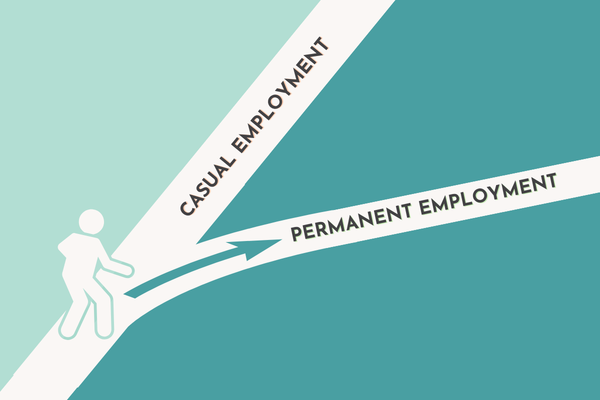
Casual employment rules changed significantly from 26 August 2024, including the way casual employees can change to permanent employment.
The previous casual conversion rules were replaced by a new employee choice pathway, which gives eligible casual employees a way to notify their employer that they want to become a permanent full-time or part-time employee.
For employers, the changes mean it is important to understand the current definition of casual employment, know when an employee may access the employee choice pathway and regularly review whether casual arrangements continue to meet the requirements.
What is the employee choice pathway?
Under the employee choice pathway, an eligible casual employee can notify their employer in writing that they want to change to permanent employment.
A casual employee can use the pathway if they:
have been employed by the employer for at least 6 months, or 12 months if the employer is a small business
believe they no longer meet the requirements of the casual employee definition.
An employer can only refuse the change for specific reasons set out in the Fair Work Act.
The employee choice pathway is part of the National Employment Standards (NES) and replaced the previous casual conversion rules.
What changed for casual employees?
The definition of a casual employee also changed from 26 August 2024.
Under the current definition, whether someone is a casual depends on the circumstances of the employment relationship when they start, including whether there is a firm advance commitment to ongoing work and whether they receive a casual loading or specific casual pay rate.
The assessment looks at the real substance, practical reality and true nature of the employment relationship. Factors can include the way work is offered and accepted, the likelihood of ongoing work, whether permanent employees perform the same work and whether the employee has a regular pattern of work.
A regular pattern of work on its own does not automatically mean an employee is not a casual.
What does this mean for employers?
Employers should not assume that a casual employee remains correctly classified simply because they were originally engaged as a casual.
It is good practice to regularly review casual arrangements, particularly where an employee has worked regular or ongoing hours for an extended period.
Employers should consider:
whether the employee continues to meet the current casual employee definition
how work is offered and accepted in practice
whether there is a firm advance commitment to ongoing work
whether the employee's working arrangements have changed
whether the employee may be eligible to use the employee choice pathway
whether the employee has been provided with the required Casual Employment Information Statement.
Employers should also make sure managers understand that a casual employee cannot simply be treated as permanent because they work regular hours. The circumstances of the employment relationship need to be considered.
What happens when a casual gives notice?
Before responding to an employee's notice under the employee choice pathway, the employer must consult with the employee about the proposed change.
An employer can only refuse the notice on specific grounds. These include where the employee still meets the requirements of the casual employee definition, there are fair and reasonable operational grounds for not accepting the notification, or accepting the change would mean the employer could not comply with a recruitment or selection process required by law.
If an employer accepts the change, the employee becomes a permanent full-time or part-time employee.
Don't overlook long-term casuals
The employee choice pathway is only one part of managing casual employment.
Employees can remain casual for an extended period where the requirements for casual employment continue to be met. However, long-term casual arrangements should still be reviewed regularly to make sure the employment relationship remains correctly classified and the employee is receiving the entitlements that apply.
Read Long-Term Casual Employees: Employer Obligations and Compliance Risks >
What should employers do now?
Employers should review their casual workforce and make sure their employment practices reflect the current rules.
This may include:
reviewing casual employment contracts and onboarding processes
checking casual classifications and pay rates
reviewing long-term casual arrangements
making sure the current Casual Employment Information Statement is provided when required
ensuring managers understand the current casual employment rules
having a process for responding to employee choice notifications
reviewing casual arrangements where working patterns have changed.
Casual employment can provide flexibility for both employers and employees, but it is important that the arrangements continue to reflect the requirements of the Fair Work Act and any applicable award or agreement.
Need support reviewing your casual workforce?
Workplace Plus can help employers review casual employment arrangements, contracts, workplace practices and broader HR compliance.
For more information and support, contact us today.
