

Mining's Landmark Sexual Harassment Class Actions: Why Every Australian Employer Should Be Paying Attention
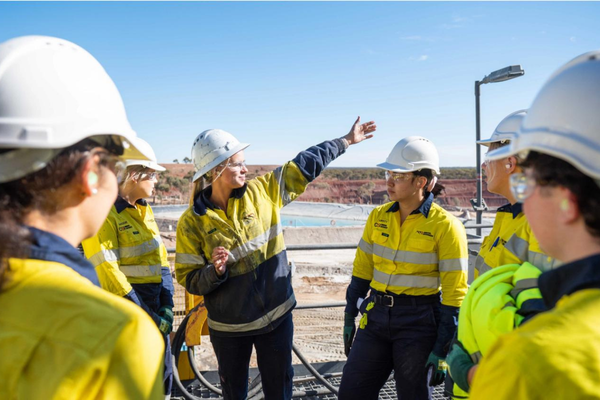
Australia's mining industry is under intense scrutiny again, with major class actions against some of the country's largest employers alleging systemic sexual harassment, gender discrimination, workplace violence and retaliation.
While the allegations are specific to the mining sector and remain before the courts, the legal and governance issues extend well beyond remote fly-in, fly-out (FIFO) operations.
For employers of every size across every industry, these cases serve as another reminder that preventing workplace sexual harassment is no longer simply a matter of policy. It is a core workplace health and safety, governance and employment law obligation.
Organisations that fail to prevent unlawful workplace behaviour can face significant legal, financial and reputational consequences.
The Class Actions Making Headlines
Recent Federal Court proceedings have commenced or continue against several major mining companies, with thousands of current and former employees alleging systemic workplace misconduct over many years.
The allegations include sexual harassment, sexual assault, gender discrimination, hostile workplace cultures, retaliation against complainants and failures to adequately respond to complaints.
These proceedings follow the Western Australian Parliament's 2022 Enough is Enough inquiry into sexual harassment against women in the FIFO mining industry, which identified widespread cultural issues and led to significant industry reform initiatives.
While the courts will ultimately determine the allegations before them, the broader message for employers is already clear: workplace culture, complaint handling and preventative systems are now subject to far greater scrutiny than ever before.
Modern employers are increasingly judged not only on how they respond to workplace complaints, but on what they did to prevent inappropriate behaviour occurring in the first place.
Employers’ Legal Obligations
Australian employers have legal obligations to take proactive steps to prevent workplace sexual harassment, not simply respond after complaints arise.
Under the Sex Discrimination Act 1984, employers have a positive duty to take reasonable and proportionate measures to eliminate:
sexual harassment
sex-based harassment
discrimination on the ground of sex
hostile workplace environments on the basis of sex
victimisation.
These obligations sit alongside duties under Australia's work health and safety legislation, including the Work Health and Safety Act 2011 (in most jurisdictions) and the Occupational Health and Safety Act 2004 (Vic), which require employers to manage psychosocial hazards and protect workers' psychological health.
An employer does not need to intend for sexual harassment to occur to face legal consequences. Increasingly, regulators focus on whether reasonable and proportionate steps were taken to prevent unlawful conduct before it occurred.
Prevention Requires More Than a Policy
Most employers already have respectful workplace policies. However, regulators and courts increasingly expect organisations to demonstrate those policies are actively implemented. For example, employers should be able to demonstrate they have:
regular training for workers and managers
trusted reporting pathways
effective complaint handling processes
leaders who model respectful workplace behaviours
regular monitoring of workplace culture and psychosocial risks
fair and independent workplace investigations where required.
A workplace policy that sits unread is unlikely to demonstrate compliance with an employer's legal obligations.
Confidential Settlements Don't Remove Employer Obligations
Recent reporting surrounding the mining class actions has renewed discussion about the historical use of confidentiality agreements (NDAs) following workplace complaints.
While confidential settlements may resolve individual legal disputes, they do not remove an employer's ongoing obligations under discrimination, work health and safety or employment laws. Organisations remain responsible for addressing systemic risks, preventing further harm and maintaining a safe and respectful workplace.
Good Governance Means Prevention and Response
Even organisations with strong preventative measures may still receive workplace complaints. Depending on the circumstances, the appropriate response may involve preliminary fact-finding, facilitated discussions, management action or a formal investigation.
Where an investigation is required, procedural fairness, investigator independence and evidence-based decision-making remain essential. Poorly managed investigations can create additional legal and employee relations risks, even where inappropriate workplace behaviour is ultimately established.
At the same time, boards, executives and senior leaders are increasingly expected to oversee workplace culture, monitor emerging psychosocial risks and ensure appropriate systems are in place before issues escalate.
Important Lesson for Australian Employers
The mining sector class actions reinforce an important lesson for every Australian employer: preventing workplace sexual harassment requires more than good intentions.
Employers should ensure they have robust systems to prevent inappropriate workplace behaviour, respond appropriately when issues arise and continuously review whether their workplace culture supports psychological safety and respectful conduct.
Workplace Plus supports employers with:
Whether you're reviewing your current approach or responding to a workplace complaint, our experienced HR consultants can help you navigate your obligations with confidence.
For more information, contact us today.
